กระบวนการผลิตทรายแมวสมัยใหม่นั้นซับซ้อนกว่าที่หลายคนคิดไว้มาก
สำหรับผู้บริโภคแล้ว ทรายแมวดูเหมือนจะเป็นเพียงของใช้จำเป็นในชีวิตประจำวันทั่วไป
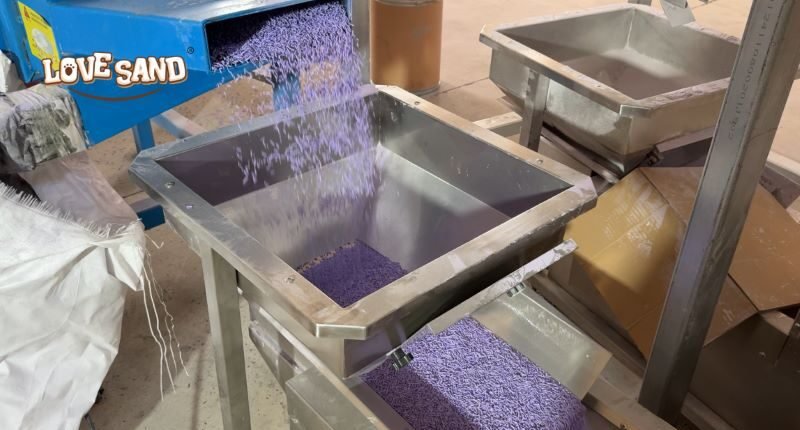
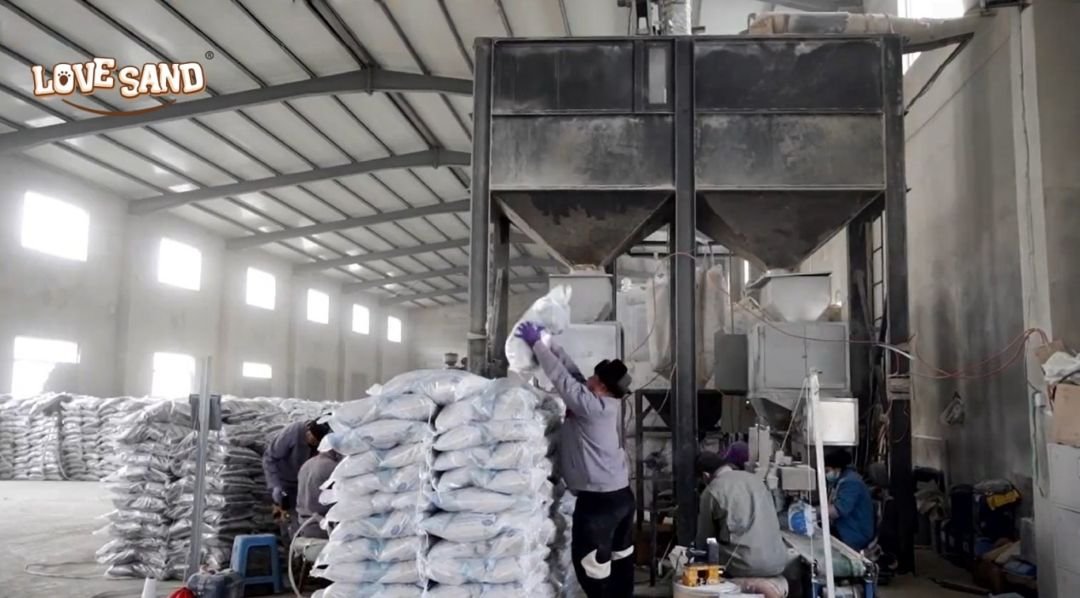
อย่างไรก็ตาม เบื้องหลังการผลิตทรายแมวที่บรรจุอย่างดีแต่ละกล่องนั้น มีกระบวนการผลิตที่ยาวนาน ตั้งแต่การคัดเลือกวัตถุดิบ การควบคุมความชื้น การออกแบบอนุภาค การกำจัดฝุ่น การทดสอบ และการจัดการบรรจุภัณฑ์
ด้วยความคาดหวังที่เพิ่มสูงขึ้นของผู้บริโภค โรงงานต่างๆ จึงเผชิญกับแรงกดดันที่เพิ่มมากขึ้น และจำเป็นต้องปรับปรุงประสิทธิภาพและความเสถียรของผลิตภัณฑ์ให้ดียิ่งขึ้น
ผู้บริโภคในปัจจุบันไม่ได้คำนึงถึงแค่ราคาเพียงอย่างเดียวอีกต่อไปแล้ว
พวกเขาคาดหวังว่าทรายแมวจะมีฝุ่นน้อยลง จับตัวเป็นก้อนได้ดีขึ้น กำจัดกลิ่นได้ดีกว่า บรรจุภัณฑ์สะอาดกว่า และมีคุณภาพคงที่มากขึ้นระหว่างแต่ละล็อต
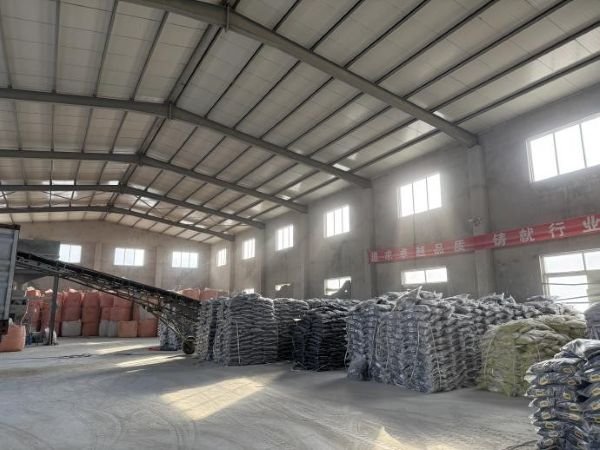
คุณภาพของทรายแมวเริ่มต้นจากการคัดเลือกวัตถุดิบ
กระบวนการผลิตทรายแมวเริ่มต้นขึ้นนานก่อนที่ผลิตภัณฑ์จะเข้าสู่โรงงานผลิตทรายแมว
คุณภาพของวัตถุดิบมีผลโดยตรงต่อประสิทธิภาพการใช้งานของทรายแมว
สำหรับทรายแมวที่ทำจากโซเดียมเบนโทไนต์ ความเสถียรของแร่ธาตุมีความสำคัญมาก
แหล่งแร่ที่แตกต่างกันอาจมีลักษณะการบวมตัว การดูดซับความชื้น และความแข็งแรงในการจับตัวเป็นก้อนที่แตกต่างกันอย่างมาก
โรงงานที่ให้ความสำคัญกับความคงที่ของคุณภาพ มักจะรักษาระดับมาตรฐานวัตถุดิบในระยะยาว มากกว่าที่จะซื้อตามความผันผวนของราคาในระยะสั้น
สำหรับทรายแมวที่ทำจากเต้าหู้ ความบริสุทธิ์ของเส้นใยถั่วเหลืองและอัตราส่วนของแป้งจะมีผลต่อความทนทานและประสิทธิภาพในการจับตัวเป็นก้อนด้วยเช่นกัน
เหตุใดวัตถุดิบที่มีความเสถียรจึงมีความสำคัญมาก?
แม้แต่เครื่องจักรกลที่ทันสมัยก็ไม่สามารถชดเชยความไม่เสถียรของวัตถุดิบได้อย่างสมบูรณ์
โรงงานมืออาชีพทราบดีว่า แหล่งวัตถุดิบที่มั่นคงสามารถรับประกันความเสถียรของประสิทธิภาพผลิตภัณฑ์ในระยะยาวได้
การคัดกรองและการควบคุมขนาดอนุภาค
ขนาดอนุภาคจะมีผลต่อประสิทธิภาพของทรายแมวในหลายด้าน
สิ่งนี้จะส่งผลต่อ: ความเร็วในการจับตัวเป็นก้อน ปริมาณการนำกลับบ้าน ปริมาณการเกิดฝุ่น และอัตราการดูดซับน้ำ ซึ่งจะส่งผลต่อประสบการณ์ของผู้บริโภคในที่สุด
โรงงานสมัยใหม่ใช้กระบวนการคัดกรองหลายขั้นตอนเพื่อแยกอนุภาคขนาดใหญ่และฝุ่นละอองส่วนเกินออก
กระบวนการนี้ช่วยให้ได้ผลิตภัณฑ์ที่มีอนุภาคขนาดสม่ำเสมอยิ่งขึ้น
ความสมดุลของความละเอียดนั้นสำคัญมาก
อนุภาคขนาดเล็กเกินไปอาจทำให้ปริมาณฝุ่นและสิ่งสกปรกที่ติดมือออกไปเพิ่มมากขึ้น
อนุภาคขนาดใหญ่เกินไปอาจทำให้การจับตัวเป็นก้อนช้าลง
โดยปกติโรงงานจะปรับช่วงขนาดอนุภาคตามความต้องการของตลาดเป้าหมาย
การควบคุมความชื้นในกระบวนการผลิต
การจัดการความชื้นเป็นหนึ่งในขั้นตอนที่สำคัญที่สุดในการผลิตทรายแมว
น้ำมากเกินไปจะลดความคงตัวในการเก็บรักษาและเพิ่มความเสี่ยงต่อการเจริญเติบโตของแบคทีเรีย
ความชื้นน้อยเกินไปจะทำให้ความทนทานของอนุภาคลดลง
โดยเฉพาะอย่างยิ่งในกระบวนการผลิตทรายแมวจากเต้าหู้ ความคงตัวในการอบแห้งจะมีผลอย่างมากต่อความแข็งและความต้านทานต่อการบีบอัดของผลิตภัณฑ์ขั้นสุดท้าย
การควบคุมความชื้นส่งผลต่อการขนส่งอย่างไร?
สินค้าที่ส่งออกไปยังตลาดต่างประเทศมักจะอยู่ในตู้คอนเทนเนอร์เป็นเวลาหลายสัปดาห์
ปริมาณความชื้นที่ไม่เหมาะสมจะส่งผลให้ประสิทธิภาพของผลิตภัณฑ์เปลี่ยนแปลงไปในระหว่างการขนส่ง
ดังนั้น โรงงานมืออาชีพจึงจะตรวจสอบสภาวะการอบแห้งและการจัดเก็บอย่างระมัดระวัง
ระบบกำจัดฝุ่น
ประสิทธิภาพการลดฝุ่นละอองได้กลายเป็นข้อกำหนดด้านคุณภาพที่สำคัญทั่วโลก
เนื่องจากความคาดหวังของผู้บริโภคที่เพิ่มสูงขึ้น โรงงานสมัยใหม่จึงลงทุนอย่างมากในระบบกำจัดฝุ่น
ฝุ่นมักมาจาก:
- มีอนุภาคละเอียดมากเกินไป
- โครงสร้างอนุภาคหลวม
- การคัดกรองที่ไม่สม่ำเสมอ
- ความเสียหายระหว่างการขนส่ง
โรงงานมืออาชีพมักใช้ระบบกำจัดฝุ่นหลายขั้นตอนในกระบวนการผลิตและบรรจุภัณฑ์
เหตุใดการควบคุมฝุ่นจึงมีความสำคัญต่อแบรนด์?
ผู้บริโภคจะสังเกตเห็นปัญหาฝุ่นละอองได้ทันที
นี่จึงทำให้ฝุ่นเป็นหนึ่งในปัญหาด้านคุณภาพที่สังเกตเห็นได้ง่ายที่สุดในรีวิวออนไลน์
ผลิตภัณฑ์ที่มีฝุ่นน้อยมักจะได้รับความพึงพอใจจากลูกค้าสูงกว่า
การทดสอบประสิทธิภาพการรวมกลุ่ม
ประสิทธิภาพในการจับตัวเป็นก้อนเป็นหนึ่งในดัชนีทางเทคนิคที่สำคัญที่สุดของทรายแมว
โดยทั่วไปโรงงานจะประเมิน:
- ความเร็วในการรวมกลุ่ม
- ความแข็งของการรวมกลุ่ม
- ความหนืดด้านล่าง
- การกำจัดประสิทธิภาพ
ประสิทธิภาพการรวมตัวที่ดีสามารถลดปริมาณของเสียและเพิ่มความสะดวกในการทำความสะอาดประจำวันได้
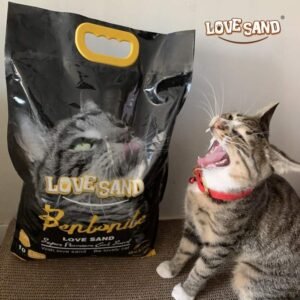
การสอบภาคปฏิบัติมีความสำคัญมาก
การตรวจวิเคราะห์ในห้องปฏิบัติการเพียงอย่างเดียวไม่เพียงพอ
โรงงานหลายแห่งจะจำลองสภาพแวดล้อมการใช้งานจริงในบ้านเพื่อประเมินประสิทธิภาพของผลิตภัณฑ์ได้อย่างสมจริงยิ่งขึ้น
การประเมินประสิทธิภาพการกำจัดกลิ่น
ผู้บริโภคมีความต้องการผลิตภัณฑ์ทรายแมวที่มีคุณสมบัติในการดับกลิ่นเพิ่มมากขึ้นเรื่อยๆ
โรงงานอาจใช้วิธีการต่อไปนี้ในการทดสอบประสิทธิภาพการกำจัดกลิ่น:
- การประเมินแรงดูดซับ
- ประสิทธิภาพการควบคุมแอมโมเนีย
- ประสิทธิภาพของถ่านกัมมันต์
- การสังเกตความสดในระยะยาว
ประสิทธิภาพในการกำจัดกลิ่นมีความสำคัญอย่างยิ่งในอพาร์ตเมนต์และบ้านที่มีแมวหลายตัว
กลิ่นหอมและคุณสมบัติในการดับกลิ่นนั้นไม่ใช่สิ่งเดียวกัน
กลิ่นหอมแรงไม่ได้หมายความว่าจะมีประสิทธิภาพในการดับกลิ่นที่ดีกว่าเสมอไป
ผลิตภัณฑ์ระดับไฮเอนด์ในปัจจุบันให้ความสำคัญกับประสิทธิภาพในการดับกลิ่นอย่างแท้จริงมากกว่าการกลบกลิ่นที่ฉุนจัด
การตรวจสอบคุณภาพบรรจุภัณฑ์
การตรวจสอบบรรจุภัณฑ์เป็นอีกขั้นตอนสำคัญในการควบคุมคุณภาพของโรงงานผลิตทรายแมว
ถุงบรรจุภัณฑ์เป็นมากกว่าแค่ภาชนะบรรจุ
ช่วยปกป้องคุณภาพของผลิตภัณฑ์ระหว่างการขนส่งและการจัดเก็บ
โดยทั่วไปโรงงานจะประเมิน:
- ความแข็งแรงในการปิดผนึก
- คุณภาพของจดหมาย
- ความแม่นยำของน้ำหนัก
- ความต้านทานต่อความชื้น
- ความต้านทานการตก
ข้อกำหนดบรรจุภัณฑ์เพื่อการส่งออก
การขนส่งระหว่างประเทศจะนำมาซึ่งความท้าทายมากขึ้น เมื่อเทียบกับการขนส่งภายในประเทศ การขนส่งระหว่างประเทศจะอยู่ภายใต้แรงกดดันที่มากกว่า
บรรจุภัณฑ์ที่แข็งแรงสามารถลดการรั่วไหล ความชื้น และความเสียหายระหว่างการจัดเก็บได้
ความสม่ำเสมอของการผลิตระหว่างแต่ละล็อต
การผลิตที่ประสบความสำเร็จเพียงอย่างเดียวไม่เพียงพอ
Professional โรงงานผลิตทรายแมว pay attention to repeatability.
ผู้นำเข้าจำเป็นต้องมั่นใจว่าประสิทธิภาพของสินค้าในอนาคตจะคล้ายคลึงกับสินค้าตัวอย่างที่ได้รับการอนุมัติแล้ว
ความสอดคล้องนี้จำเป็นต้องมีระบบที่เสถียรซึ่งประกอบด้วยการเชื่อมโยงดังต่อไปนี้:
- การจัดซื้อวัสดุ
- พารามิเตอร์การผลิต
- สภาวะการอบแห้ง
- การควบคุมฝุ่นละออง
- มาตรฐานบรรจุภัณฑ์
เหตุใดความสม่ำเสมอจึงสร้างความไว้วางใจในระยะยาวได้
แบรนด์ค้าปลีกพึ่งพาประสบการณ์ที่มั่นคงของผู้บริโภคเป็นอย่างมาก
คุณภาพที่ไม่คงที่จะทำให้ยอดซื้อซ้ำลดลงอย่างรวดเร็ว
ความสามารถในการผลิตแบบ OEM และการพัฒนาผลิตภัณฑ์
โรงงานผลิตทรายแมวสมัยใหม่มีส่วนร่วมในการพัฒนาผลิตภัณฑ์มากขึ้นเรื่อยๆ
ปัจจุบันลูกค้าต้องการ:
- สูตรเฉพาะ
- วัสดุผสม
- มีตัวเลือกน้ำหอมหลากหลาย
- การออกแบบบรรจุภัณฑ์ใหม่
- การสนับสนุนการวางตำแหน่งค้าปลีก
ความสามารถในการผลิตแบบ OEM ได้กลายเป็นส่วนหนึ่งของความสามารถในการแข่งขันของโรงงานไปแล้ว
การพัฒนาผลิตภัณฑ์กำลังมีความสำคัญมากขึ้นเรื่อยๆ
ตลาดกำลังแตกแขนงออกมากขึ้น แต่ละภูมิภาคมีความต้องการผลิตภัณฑ์ทรายแมวที่แตกต่างกัน รวมถึงรูปแบบ เนื้อสัมผัส และบรรจุภัณฑ์ที่แตกต่างกันด้วย
โรงงานที่มีความยืดหยุ่นในการผลิตแบบ OEM สูงกว่า สามารถปรับตัวให้เข้ากับการเปลี่ยนแปลงของตลาดได้อย่างมีประสิทธิภาพมากขึ้น
สรุป
การผลิตทรายแมวสมัยใหม่เป็นการผสมผสานอย่างครบวงจรระหว่างการจัดการวัตถุดิบ การควบคุมกระบวนการ ระบบการทดสอบ และความน่าเชื่อถือของบรรจุภัณฑ์
โรงงานที่ให้ความสำคัญกับความคงที่ของคุณภาพ มักจะสามารถสร้างความสัมพันธ์ความร่วมมือระยะยาวที่แข็งแกร่งกับผู้นำเข้าและแบรนด์ของตนเองได้
ในตลาดปัจจุบัน การควบคุมคุณภาพอย่างมืออาชีพไม่ใช่ทางเลือกอีกต่อไปแล้ว
สิ่งนี้ได้กลายเป็นหนึ่งในข้อได้เปรียบในการแข่งขันที่สำคัญที่สุดในการผลิตทรายแมว
คำถามที่พบบ่อย
คำถามที่ 1: สิ่งที่สำคัญที่สุดในการควบคุมคุณภาพของทรายแมวคืออะไร?
A1: ความเสถียรและการควบคุมความชื้นของวัตถุดิบเป็นหนึ่งในปัจจัยที่สำคัญที่สุด
คำถามที่ 2: เหตุใดขนาดอนุภาคของทรายแมวจึงมีความสำคัญ?
A2: ขนาดอนุภาคจะมีผลต่อการจับตัวเป็นก้อน ฝุ่นละออง การตกค้าง และการดูดซับน้ำ
คำถามที่ 3: โรงงานจะลดฝุ่นละอองได้อย่างไร?
A3: ผ่านระบบการคัดกรอง โครงสร้างอนุภาคที่แข็งแรงขึ้น และกระบวนการกำจัดฝุ่น
คำถามที่ 4: เหตุใดการตรวจสอบบรรจุภัณฑ์จึงมีความสำคัญ?
A4: บรรจุภัณฑ์เพื่อการส่งออกช่วยปกป้องคุณภาพของผลิตภัณฑ์ระหว่างการขนส่งและการจัดเก็บ
Q5: ผู้นำเข้าควรประเมินด้านใดบ้างในระหว่างการตรวจสอบโรงงาน?
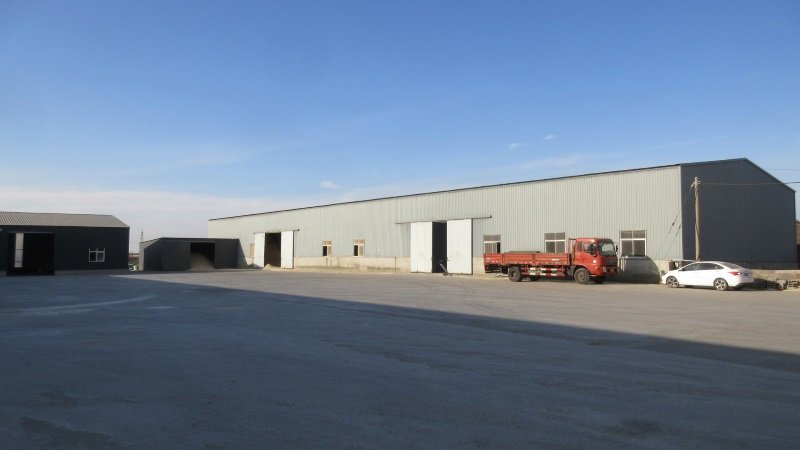
A5: ผู้ซื้อควรประเมินความสะอาด โครงสร้างองค์กร ระบบการทดสอบ และความเสถียรในการผลิตของโรงงาน