1. Foreword: 90% of the urine disorder and loss in multi-cat families are caused by layout errors.
It is simple to raise a cat with a single cat, but the problem of raising a cat with multiple cats has multiplied. Many shovel officials found that the more cats there are at home, the more expensive the cat litter, the heavier the odor, the higher the probability of urine disorder and the more conflicts between cats.
Most people only know that “multi-cat families should follow the N+1 rule”, but they don’t know how to set it, how to divide it, how to match the material of cat litter, and how to avoid fighting over pots.
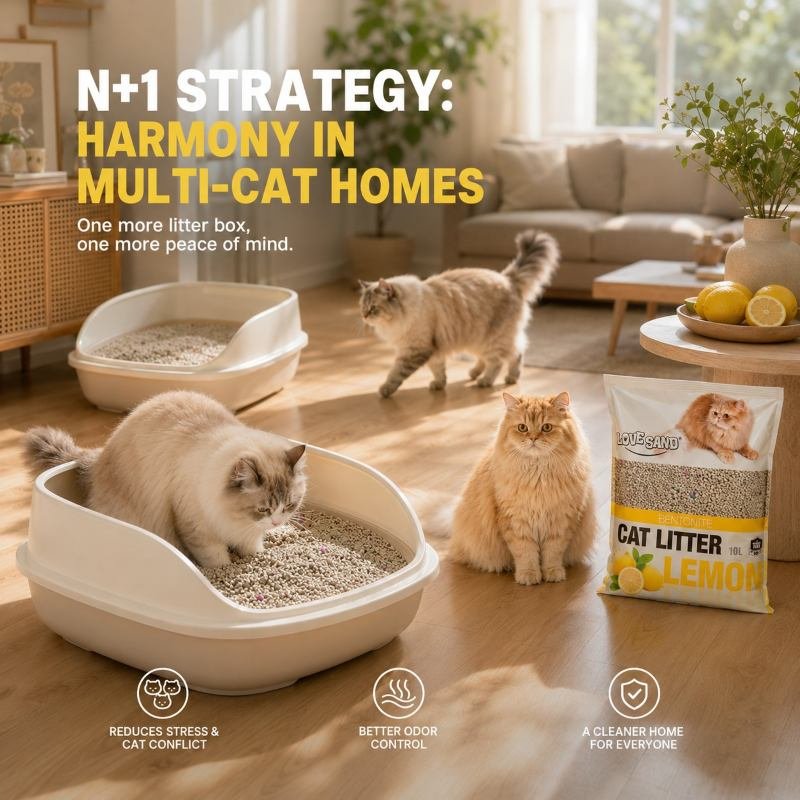
N+1 is not a simple “number of cats +1 pot”, but a complete system of layout, zoning, material collocation, and behavior avoidance. Doing the multi cat litter box setup correctly can obviously reduce urine disorder, reduce the loss of cat litter, relieve the stress of cats, and completely improve the odor of the whole house.
Second, what is the cat N+1 rule? Core underlying logic
2.1 Basic definition
The number of cats is n, and the number of litter pots is n+1. Three pots for two cats, four pots for three cats, and so on.
Many people think that this is a business routine, but it is actually a standard norm of animal behavior.
2.2 Why is it necessary to have an extra basin?
First, cats are neat and don’t want to go to the toilet after the smell of a cat.
Second, there is hierarchical repression in many cats, and weak cats dare not share toilets with strong cats.
Thirdly, separating the urine and feces from the basin can slow down the saturation speed of cat litter and greatly reduce the loss and odor.
III. Detailed Rules for Proper Placement of Catlitter Pots in Multi-cat Families
3.1 Never put them together in the same corner.
Many pots are piled together, and in the eyes of cats, they are still “the same toilet”. It can’t solve the problems of competition and cleanliness.
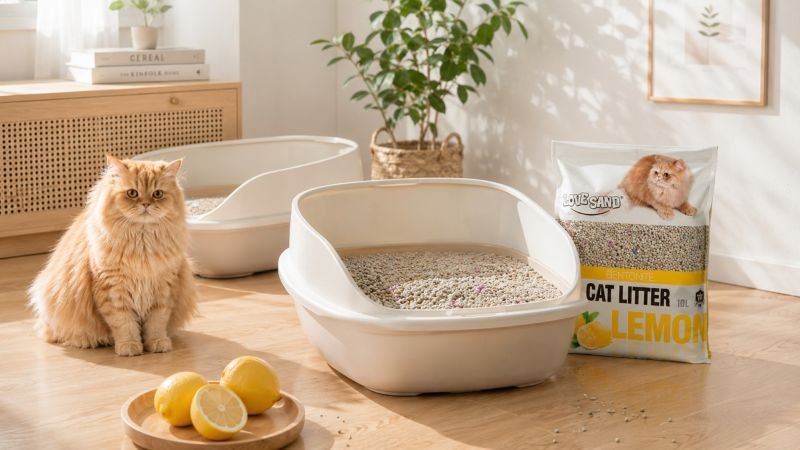
3.2 Laying standards by layers and regions
Single-storey apartment: living room, balcony, and the far end of aisle are scattered to form independent toilet points.
Double-deck/duplex apartment: each floor must have at least one basin to prevent cats from urinating across floors.
3.3 Keep away from food basins, water basins and cat nests.
Cats are naturally dirty, and the toilet is too close to the living area, so they will take the initiative to refuse to go to the toilet, which is easy to urinate and urinate indiscriminately.
3.4 collocation of high and low positions
Strong cats like high positions and open positions. Weak cats like hidden, low corners. The combination of height and height can balance the toilet safety of different cats.
Fourth, multi-cat family material matching skills: reduce wear and tear, reduce conflict.
4.1 Main universal basin: mixed cat litter.
Most cats are suitable for mixed sand, which has stable agglomeration, small odor and low loss. As a public main basin, it is suitable for all cats.
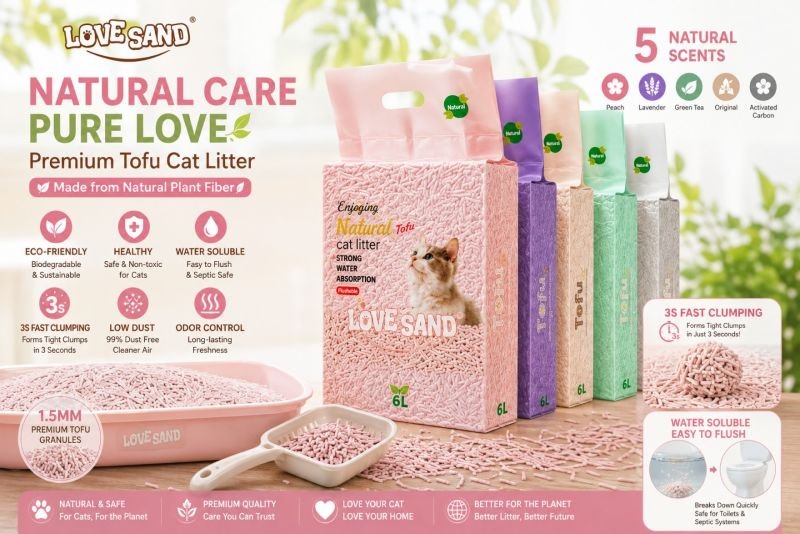
4.2 Special basin for sensitive cats: pure tofu cat litter.
Timid, stressed and sensitive to respiratory tract cats should be equipped with tofu sand low dust basin separately to enhance their sense of security and avoid refusing to urinate.
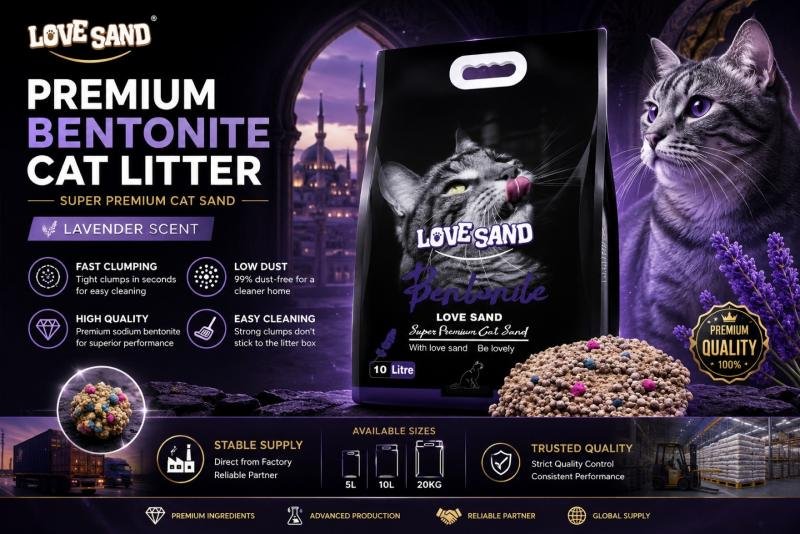
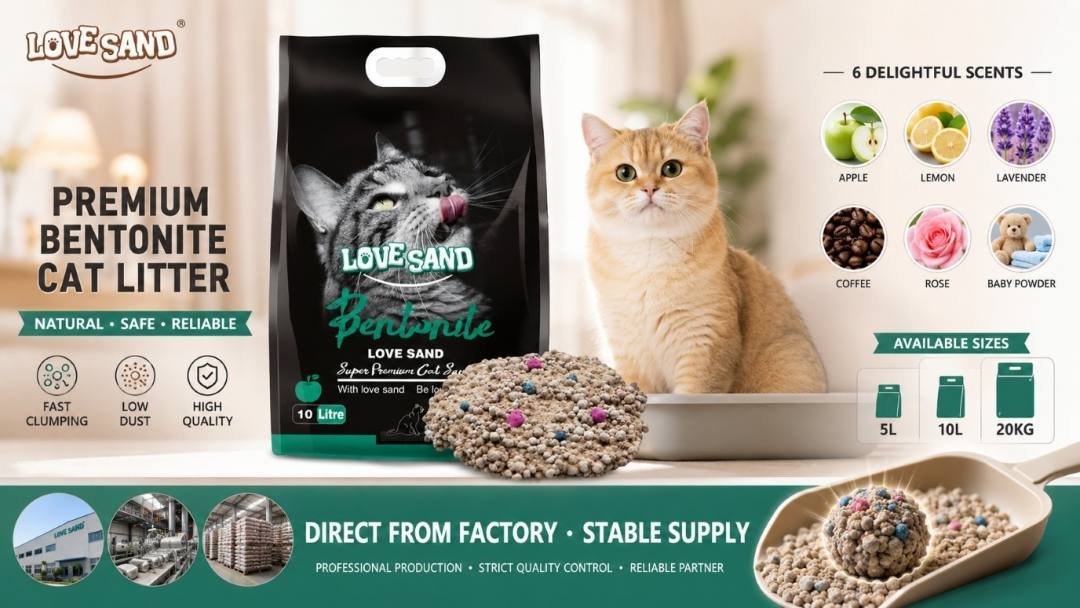
4.3 Pussy cat: bentonite cat litter.
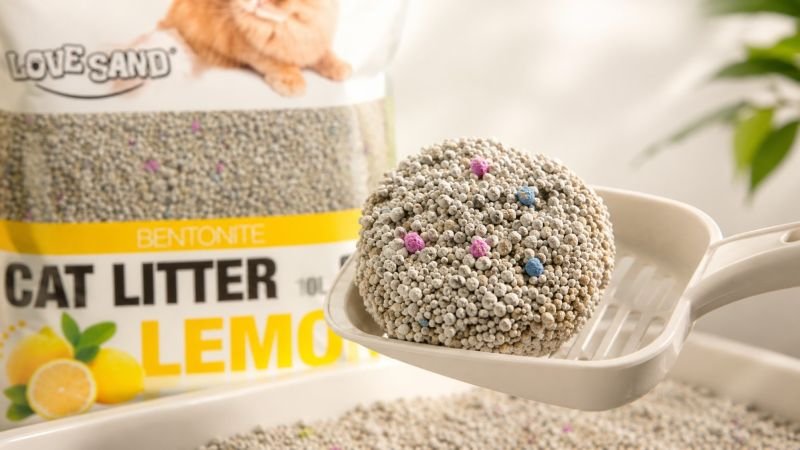
Cats with quick clumping and strong odor lock-up need will use bentonite cat litter alone to reduce urine disorder caused by residual odor.
4.4 It is forbidden to mix multiple pots with completely different fragrance types.
The fragrance of each pot is unified, so don’t make one pot fragrant, one pot fragrant and one pot odorless, which will cause cognitive confusion of cats and induce disorderly urine.
Fifth, practical methods to reduce cat litter loss in multi-cat families.
First, partition use: urinals and bedpans can be naturally diverted to avoid rapid saturation of a single basin.
Second, peak shifting: Don’t change all pots on the same day, but change them in batches to stabilize the cat’s odor memory.
Third, regular sand replenishment and uneven replacement: the loss of many cats is large, mainly sand replenishment, reducing the frequency of total replacement.
Fourth, keep the sand surface smooth: it is easy for many cats to scrape sand repeatedly, and smooth it once a day to reduce waste.
Sixth, the common wrong layout of multi-cat families avoids pits
Mistake 1: N cats have N pots, and there is no spare place, so it is easy to compete and urinate.
Mistake 2: All of them are put together, which is equal to the single basin effect.
Mistake 3: All the pots are changed in a unified way, and the cat’s environment is suddenly changed and stressed.
Mistake 4: Cats are confused when they mix a variety of fragrance materials.